
DeepSaffron
#FF9933 · rgb(255, 153, 51) · hsl(30, 100%, 60%)
Complementary colors
#ff9933 · #3399ffAnalogous colors
#ff3333 · #ff9933 · #ffff33Triadic colors
#ff9933 · #33ff99 · #9933ffSplit-complementary colors
#ff9933 · #33ffff · #3333ffTetradic colors
#ff9933 · #33ff33 · #3399ff · #ff33ffMonochromatic colors
#4d2600 · #a35200 · #ff8000 · #ffad5c · #ffd9b3Ready-made palettes with DeepSaffron
Complementary palette
The base color paired with its opposite on the wheel for maximum contrast, plus two neutrals and a soft tint.
#FF9933 · #3399ff · #fbd9b6 · #f4f4f5 · #18181b
Analogous palette
Neighboring hues on the color wheel create a calm, cohesive scheme with a light tint and a deep shade.
#ff3333 · #FF9933 · #ffff33 · #fbd9b6 · #b35900
Triadic palette
Three hues spaced evenly around the wheel for a bold, balanced palette anchored by two neutrals.
#FF9933 · #33ff99 · #9933ff · #f4f4f5 · #18181b
Monochromatic palette
A single hue stepped from light to dark for a clean, elegant and foolproof palette.
#fff5eb · #ffbd7a · #ff8205 · #944a00 · #1f0f00
If you are wondering what colors go with DeepSaffron, start with its opposite on the wheel — a complementary #3399ff — then soften the pairing with the analogous, triadic and monochromatic schemes above.
Frequently asked questions
DeepSaffron's complementary color is #3399ff. Analogous neighbors, triadic accents and monochromatic tints of the same hue all pair naturally with it too.
Good to know facts
- Every swatch row is a complete scheme you can copy straight into CSS.
- The color wheel can regenerate these harmonies for any base you like.
Related tools
These color tools pair naturally with the one you just used — keep exploring.
From the blog
Guides that go deeper into what this tool does.

Rainbow Color Codes: Hex and RGB for Every Shade of the Spectrum
The real hex and RGB codes for all 7 ROYGBIV rainbow colors, why there's no single "official" rainbow, and CSS code to build your own rainbow gradient.
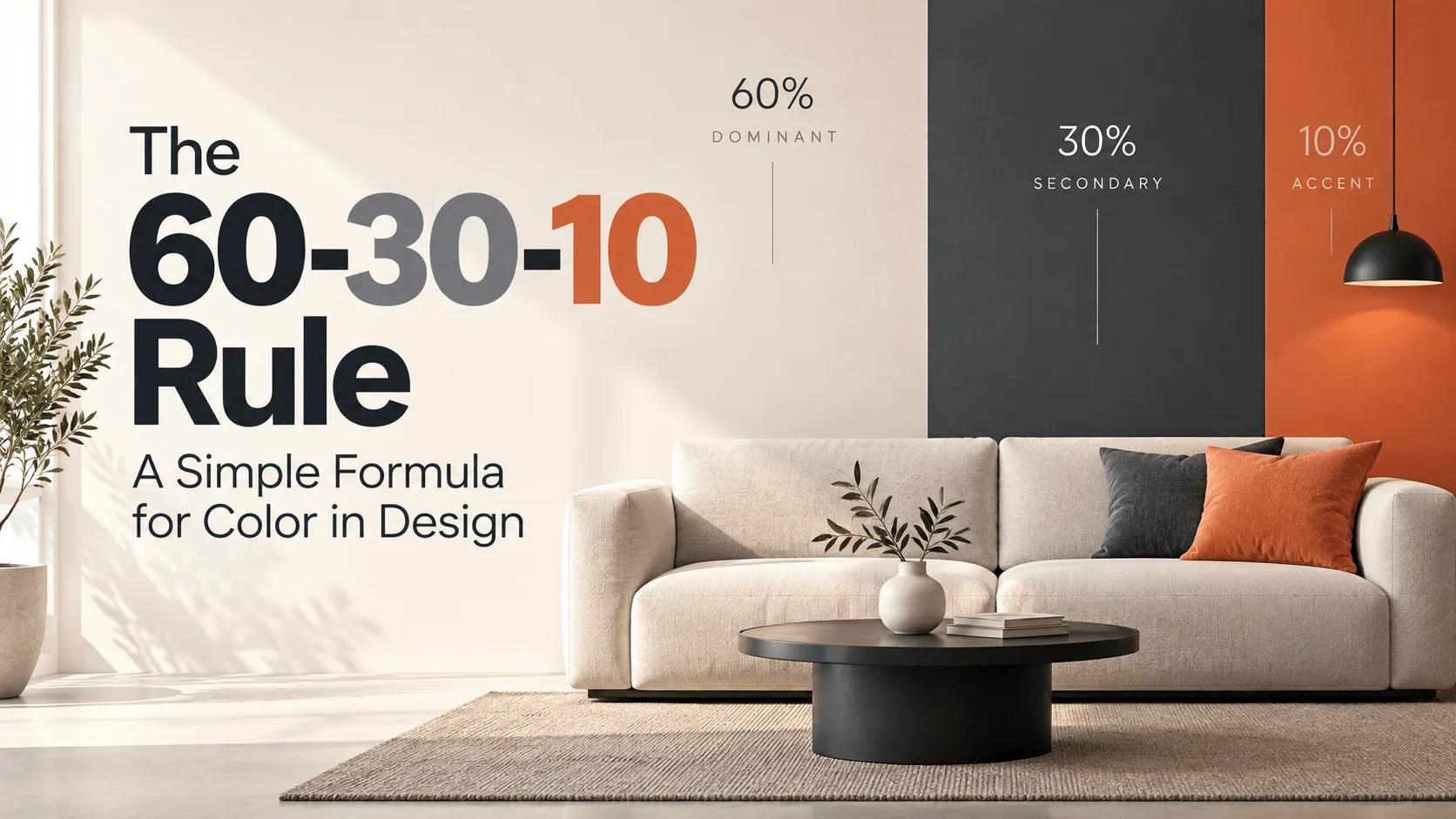
The 60-30-10 Rule: A Simple Formula for Color in Design
The 60-30-10 color rule explained — how to split any palette into a dominant, secondary, and accent color, with real hex codes and CSS for web design.
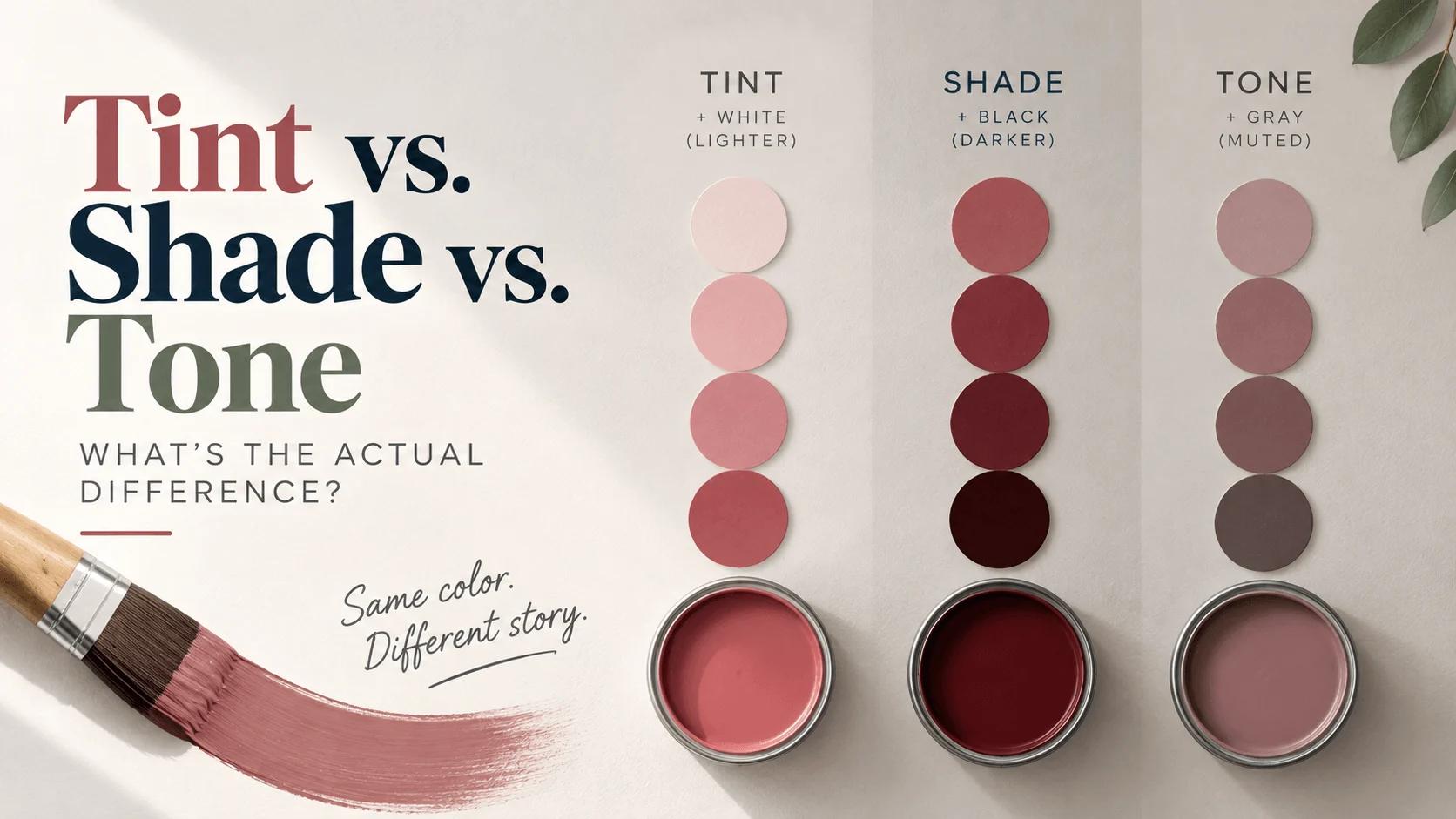
Tint vs. Shade vs. Tone: What's the Actual Difference?
Tint (+white), shade (+black), and tone (+gray) explained clearly — with a real hex example, CSS code, and where each one actually belongs in design.