
what colors make brown: A Simple Color Mixing Guide
Color Theory19 min read
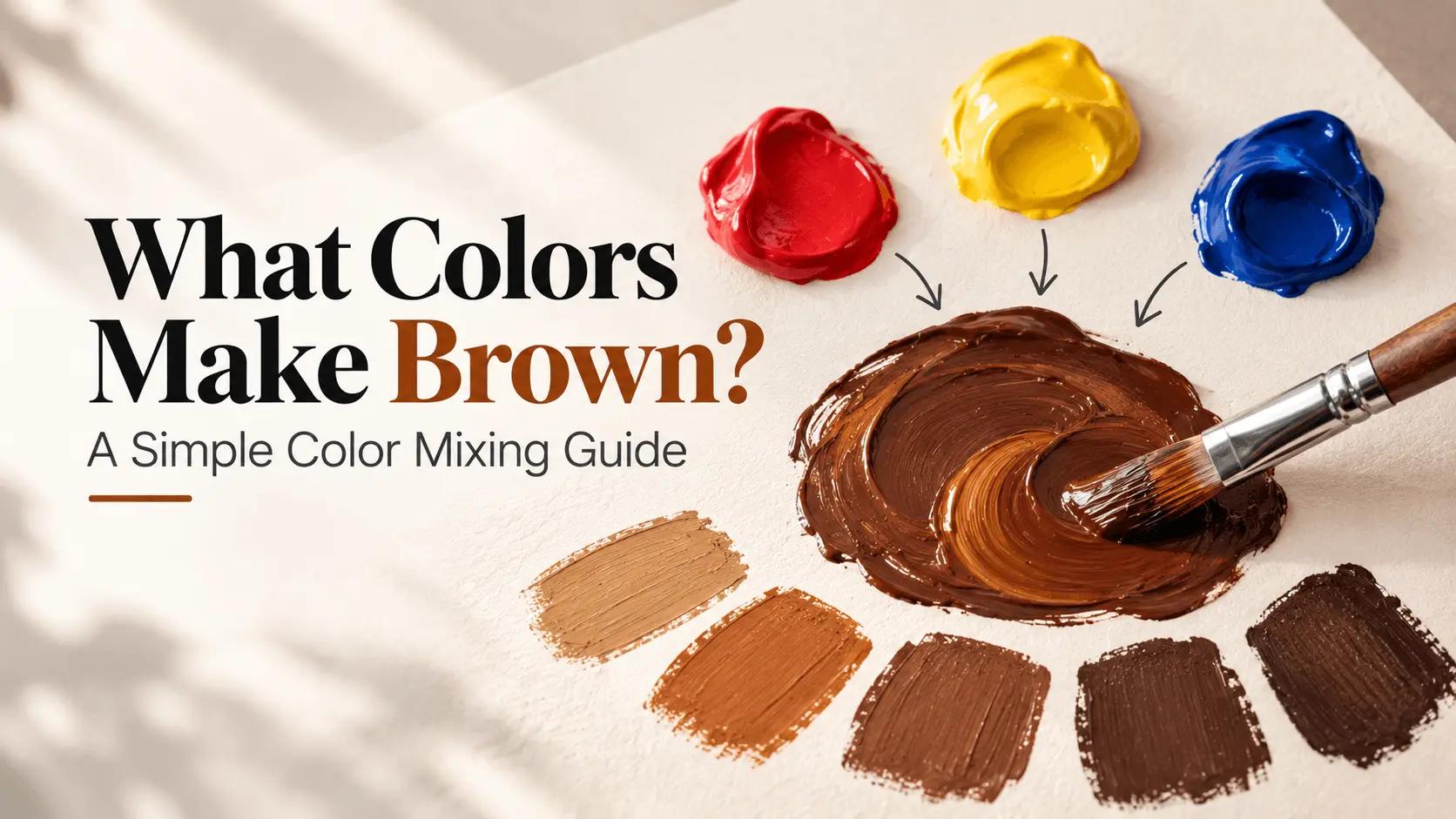
Can a painter create dozens of brown shades without using a tube labeled “brown”? This question challenges a common belief about color. With the right balance of basic pigments, artists can mix warm chestnut, soft tan, deep umber, and many shades between.
What colors make brown depends on the paint, pigment strength, and mixing ratio. Red, yellow, and blue can form a balanced brown when blended carefully. Color mixing brown also uses complementary pairs: blue and orange, red and green, or yellow and purple.
A methodical process helps artists avoid muddy results and wasted paint. This guide explains how each color affects the final mixture. It also shows how small changes can create a more useful, natural brown.
Key Takeaways
- Red, yellow, and blue can mix to create brown.
- Complementary colors also produce brown shades.
- Paint ratios affect warmth, depth, and brightness.
- Different pigments create different brown results.
- Small adjustments can produce specific neutral colors.
what colors make brown: The Basic Color Mixing Answer
Brown forms when you combine colors that balance each other. Its shade can range from warm caramel to deep chocolate, depending on pigments and mixing ratios. A small change can move brown from rich and earthy to soft and muted.
Mixing the Three Primary Colors
Red, yellow, and blue are the primary colors that make brown. Mixed in nearly equal amounts, they create neutral brown because each color affects the others’ strength.
To learn how to make brown, a painter can begin with equal parts of red, yellow, and blue. Small adjustments may improve the mixture. More red adds warmth, while extra blue creates a cooler brown.
What 2 Colors Make Brown?
Complementary colors sit opposite each other on the color wheel. Mixing them lowers color intensity and often creates brown. The main pairs are orange and blue, red and green, and yellow and purple.
- Orange and blue: This pair can produce a rich, earthy brown.
- Red and green: This mix often creates a deep brown with warm undertones.
- Yellow and purple: This combination can form a softer, muted brown.
When asking what 2 colors make brown, remember that results depend on the exact pigments. Bright orange and dark blue may produce a different shade than muted orange and pale blue.
Why Brown Shades Vary
Brown shades vary because pigments have different strengths when mixed. One paint may overpower another, even when you use equal amounts. Student-grade paints often need ratio changes to create a balanced color.
A painter can add one color at a time and test the mixture on scrap paper. Wet paint may look darker than dry paint, so check the final shade after it dries.
| Color combination | Likely brown quality | Adjustment for a new shade |
|---|---|---|
| Red, yellow, and blue | Balanced earthy brown | Add red for warmth or blue for a cooler tone |
| Orange and blue | Rich brown with strong contrast | Add orange for warmth or blue for depth |
| Red and green | Deep brown with warm undertones | Add green to mute the red or red to brighten the mix |
| Yellow and purple | Soft, muted brown | Add yellow for lightness or purple for a cooler result |
Brown Color Theory: Understanding Brown on the Color Wheel
Brown may seem missing from a standard color wheel. The wheel shows bright, highly saturated hues, while brown has less intensity. In brown color theory, brown is often a dark or muted orange changed by complements, black, white, or pigment strength.
Brown as a Dark or Muted Orange
Orange forms when red and yellow mix. Adding blue, its complement, lowers orange’s brightness and creates a range of browns. More blue makes cooler brown, while extra red or yellow creates warmer earth tones.
This method helps artists build a balanced brown color palette. It gives control over warmth, depth, and intensity instead of one premixed shade.
Primary, Secondary, and Tertiary Colors
Primary colors are red, yellow, and blue. They cannot be made by mixing other colors. Secondary colors come from pairs of primaries:
- Red and yellow make orange.
- Yellow and blue make green.
- Blue and red make purple.
Tertiary colors form when a primary color mixes with a nearby secondary color. Common examples include red-orange, yellow-orange, yellow-green, blue-green, blue-violet, and red-violet. These hues expand the choices within a brown color palette.
Complementary Colors That Create Brown
Complementary colors sit across from one another on the color wheel. When mixed, they lower each other’s intensity. This reaction can produce brown, gray, or muted earth colors, based on the paint ratio.
| Color Pair | Typical Brown Effect |
|---|---|
| Blue and orange | Balanced brown with cool or warm shifts |
| Red and green | Rich brown with earthy depth |
| Yellow and purple | Golden brown or subdued tan |
Small changes in pigment strength can alter the result. Brown color theory helps artists predict these shifts and select a useful mixture for each painting.
How to Make Brown With Primary Colors
To find the primary colors that make brown, use red, yellow, and blue. Mix red and yellow first to create orange. Add a little blue, then stir until the orange turns into a balanced brown.
For controlled mixing colors to make brown, start with orange as the base. Add a little red, a touch of yellow, and a tiny amount of black. Adding each color slowly can produce a rich, warm brown.
Paint strength changes the final result. More red or yellow makes brown warmer, while extra blue creates a cooler shade. A little black makes it darker, so adjust the mixture slowly.
Mixing Colors to Make Brown With Complementary Pairs
Complementary colors sit opposite each other on the color wheel. When blended, they soften one another and create muted brown. The result depends on pigment strength, color temperature, and the amount of each paint.
Blue and Orange
Blue and orange make brown because orange contains red and yellow. Blue supplies the remaining primary color. Mixing warm orange with ultramarine blue can create rich, earthy brown.
More orange produces a warmer result, while extra blue gives the mixture a cooler cast.
This pair answers what 2 colors make brown. The exact shade may change when the pigments change. Transparent orange and dense blue will not blend like two opaque paints.
Red and Green
Red and green can create deep, balanced brown. Green contains yellow and blue, so it combines with red to include all three primary colors. Warm red may produce a rust-like brown.
Cool red with blue-green paint may create a darker, quieter shade. For controlled mixing colors to make brown, add one color in small amounts. A tiny touch of red can warm green without making it muddy.
Yellow and Purple
Yellow and purple form brown because purple contains red and blue. Bright yellow with red-violet paint often creates warm golden brown. A cooler yellow and blue-violet mixture can look more muted and gray.
Intermediate complementary pairs work in the same way. Red-orange with blue-green, yellow-orange with blue-violet, and yellow-green with red-violet can produce neutral brown shades. Small ratio changes help control the final color.
Creating Brown With Paint: A Practical Mixing Process
Creating brown with paint works best with a small, planned palette. Using fewer colors makes mixtures easier to repeat and helps the whole painting feel unified. A clear process gives each batch a steady starting point.
Choosing Paint Colors and Pigments
Burnt sienna is a useful reference for creating brown with paint. It offers a warm, earthy base and mixes well with blue, green, or white. Raw Umber gives artists a ready-made brown with a cooler, quieter character.
Warm and cool primary colors expand the range of possible browns. A warm red can produce a rich clay tone, while a cool blue may create muted brown with gray cast. Pigment strength varies by brand and paint grade, so a small test is wise.
Adjusting the Color Ratio
Artists should begin with two dominant colors and add the third in small amounts. For example, a blend of red and yellow can form an orange base. A touch of blue can mute the orange and shift it toward brown.
- Use more red for a warm chestnut brown.
- Add yellow for a golden, ochre-like brown.
- Increase blue for a cooler, deeper brown.
- Add white only after the base color feels balanced.
Color mixing brown works best with gradual changes. A strong pigment can take over a mixture after one small brushload. Artists should clean the brush between additions to prevent unwanted color from entering the blend.
Testing and Recording Brown Mixtures
A test strip shows the true color after the paint dries. This step matters with acrylic and oil paint because some mixtures shift as their surface sets. Watercolor should be tested with the same amount of water used in the finished work.
Artists can record each successful blend in a sketchbook. The note may include paint brands, pigment names, approximate ratios, and the drying result. A simple entry, such as two parts burnt sienna to one part ultramarine blue, guides future color mixing brown.
- Mix a small sample on a clean palette.
- Paint a swatch on the intended surface.
- Let the sample dry before judging it.
- Record the ratio and any color changes.
How to Make Warm, Cool, Light, and Dark Brown
To learn how to make brown, use small mix changes to shift golden, rich tones toward gray, muted ones. The best adjustment depends on the paint pigment, color ratio, and desired place in a brown color palette.

How to Make Warm Brown
To make warm brown, increase the influence of red, yellow, or orange. A small amount of red creates reddish brown with depth. Yellow produces golden brown, while orange gives the mix an earthy glow.
Warm brown works well for wood, leather, autumn leaves, and sunlit soil. Small additions create better control, since too much red or yellow can overpower the base color.
How to Make Cool Brown
Cool brown needs more blue or a cooler primary pigment. Ultramarine blue can create a deep, smoky brown. A small amount of blue added to existing brown can reduce its orange or red cast.
Payne’s gray can act as a dark blue-appearing mixture. It often contains ultramarine and black, so a small brushload can cool and deepen brown.
How to Make Light Brown and Tan
Watercolor artists can lighten brown by adding clean water. The paper shows through thin paint, creating a soft tan. Acrylic and oil painters can mix in white to raise the value.
White may shift the hue, especially in reddish browns. A touch of yellow or orange can restore warmth when the lighter mixture looks too pale or gray.
How to Make Dark Brown
To make dark brown, add a small amount of black or use a darker blue. You can also increase the dark component in a blue, red, and yellow mixture. Black creates strong depth, so add it in tiny amounts.
Dark blue often preserves more color than black. This choice can produce a natural shade for tree bark, deep soil, and shadows in a balanced brown color palette.
Building a Natural Brown Color Palette
A natural brown color palette needs more than light and dark values. Brown can shift in warmth, coolness, and intensity. These changes help artists paint wood, soil, skin, stone, leather, and other natural subjects with more depth.
By studying what colors make brown, artists can mix shades that fit each scene instead of using one premixed tube. A small ratio change can create rich chestnut, soft taupe, or muted earth brown.
High-Chroma and Low-Chroma Browns
Chroma describes color intensity. High-chroma browns look stronger and more colorful. They can draw attention to warm wood, autumn leaves, or painted details.
Low-chroma browns look soft and muted. They often appear in nature, where color mixes with gray, blue, or nearby surfaces. Complementary colors lower chroma because each color reduces the other's strength.
Using Brown to Control Color Intensity
Brown can calm a bright color without removing its basic identity. A little warm brown can soften vivid orange, yellow, or red. A cooler brown can reduce the energy of green or blue.
Artists should add brown in small amounts and check the mixture after each change. Too much brown can make color dull. A balanced brown color palette places muted shades beside brighter colors, helping both stand out.
Useful Brown Paints and Mixed Alternatives
Burnt Sienna is a warm, premixed brown with a red-orange bias. Raw Umber is a cooler, earthy brown for shadows and natural textures. These paints save time during fast studies.
Mixed browns give artists more control over temperature and value. Red and green can create deep earth brown, while blue and orange can make a balanced neutral. Knowing what colors make brown reduces reliance on premixed tubes.
| Brown option | Color character | Useful applications |
|---|---|---|
| Burnt Sienna | Warm, reddish orange-brown | Wood, clay, leather, and warm light |
| Raw Umber | Cool, muted earth brown | Soil, shadow, bark, and subdued backgrounds |
| Red and Green | Deep brown with adjustable warmth | Natural shadows and dark foliage |
| Blue and Orange | Balanced brown with strong neutral potential | Stone, fabric, and controlled midtones |
| Brown and Gray | Low-chroma, softened neutral | Atmospheric effects and quiet background areas |
Common Color-Mixing Mistakes and Better Techniques
Good color mixing starts with a clear plan. A small test batch helps artists judge the hue, value, and strength before paint reaches the artwork. This simple step makes how to make brown more controlled and reduces wasted materials.

Mixing Too Many Colors at Once
Adding every available color often creates a dull, muddy brown. Each pigment changes the mixture in a different way, so the final shade can become hard to adjust. A planned primary or complementary color method gives the artist more control.
Artists begin with two colors, such as blue and orange. They add a small amount of a third color when the mixture needs a warmer, cooler, lighter, or darker shift. This approach makes color mixing brown easier to track.
Ignoring Warm and Cool Undertones
Color families include warm and cool versions. A warm red may contain orange, while a cool red may lean toward purple. The same difference appears in blue and yellow pigments.
Warm colors often create rich, earthy browns. Cool colors can produce softer brown shades with gray or violet notes. Artists should test each pigment pair before choosing a ratio for the main painting.
Overusing Black to Darken Brown
Black can lower brown's value, but too much may remove its warmth and make the paint look flat. This often happens with strong black pigments, which can overpower a small mixture.
For a deeper brown, an artist can add a touch of dark blue, deep red, or a complementary color. These choices preserve more color character than black alone. A gradual approach gives better control over how to make brown in a dark range.
Accounting for Paint Quality
Paint grade and pigment strength affect every color mixture. Student-grade paint may contain more binder and less pigment. Professional colors often have stronger tinting power, so a tiny amount can change the result.
Artists should add strong pigments in small amounts. A palette knife can measure repeatable portions. A scrap of the same paper or canvas can show the dried color. This test makes color mixing brown more reliable across watercolor, acrylic, and oil paint.
Color Mixing Brown for Watercolor, Acrylic, and Oil Paint
Each paint medium changes how artists approach creating brown with paint. Watercolor blends on paper, while acrylic and oil paint usually mix on a palette. These color relationships stay similar, but pigment strength, drying time, and surface texture change the final brown.
Mixing Brown in Watercolor
Watercolor artists can mix red, yellow, and blue on a palette or damp paper. Mixing directly on the painting creates an optical mixture. Small color areas remain visible and blend in the viewer’s eye.
This method requires control because too much pigment can shift brown toward green, purple, or orange. Artists should test the ratio on scrap paper before mixing colors to make brown in an important area.
Mixing Brown in Acrylic Paint
Acrylic painters can combine pigments on a smooth palette. A useful recipe starts with orange, made from red and yellow. A small touch of blue or black deepens the mixture and creates a rich brown.
Acrylic paint dries quickly, so the wet mixture may look lighter or darker after drying. Artists can mix a small test batch first. A clean palette knife preserves clear color and prevents unwanted gray tones.
Mixing Brown in Oil Paint
Oil painters often use a limited palette of primary colors. Changing the proportions of red, yellow, and blue produces many brown variations. A premixed color such as Raw Umber offers a stable base for shadows, wood, soil, and muted skin tones.
Oil paint stays workable for a long time. Artists can adjust the mixture slowly with a palette knife. A little complementary color can neutralize bright brown without making it dull or chalky.
| Paint medium | Useful mixing method | Main control point | Common brown choice |
|---|---|---|---|
| Watercolor | Mix on paper or in a palette | Water level and pigment ratio | Red, yellow, and blue |
| Acrylic | Blend pigments on a palette | Fast drying time | Orange with blue or black |
| Oil paint | Mix with a palette knife | Strong pigment and slow drying | Primary colors or Raw Umber |
Conclusion
Knowing what colors make brown gives artists a strong starting point for mixing. The primary colors that make brown are red, yellow, and blue. Artists can adjust each amount to create soft tan, rich chestnut, or deep chocolate shades.
Artists can also mix brown from complementary pairs: blue and orange, red and green, or yellow and purple. Each pair creates a different result because pigment strength, color temperature, and paint quality affect the mixture.
Brown color theory helps artists control value and chroma more accurately. Adding white makes a lighter brown, while a little blue or another dark pigment deepens it. This keeps the color from looking flat.
With practice, artists can build a useful range of natural browns. These mixtures simplify a palette, improve color control, and help brighter colors stand out in paintings.
FAQ
Brown comes from the three primary colors: red, yellow, and blue. It also comes from complementary pairs: blue and orange, red and green, or yellow and purple.
Tools for this guide
Related posts
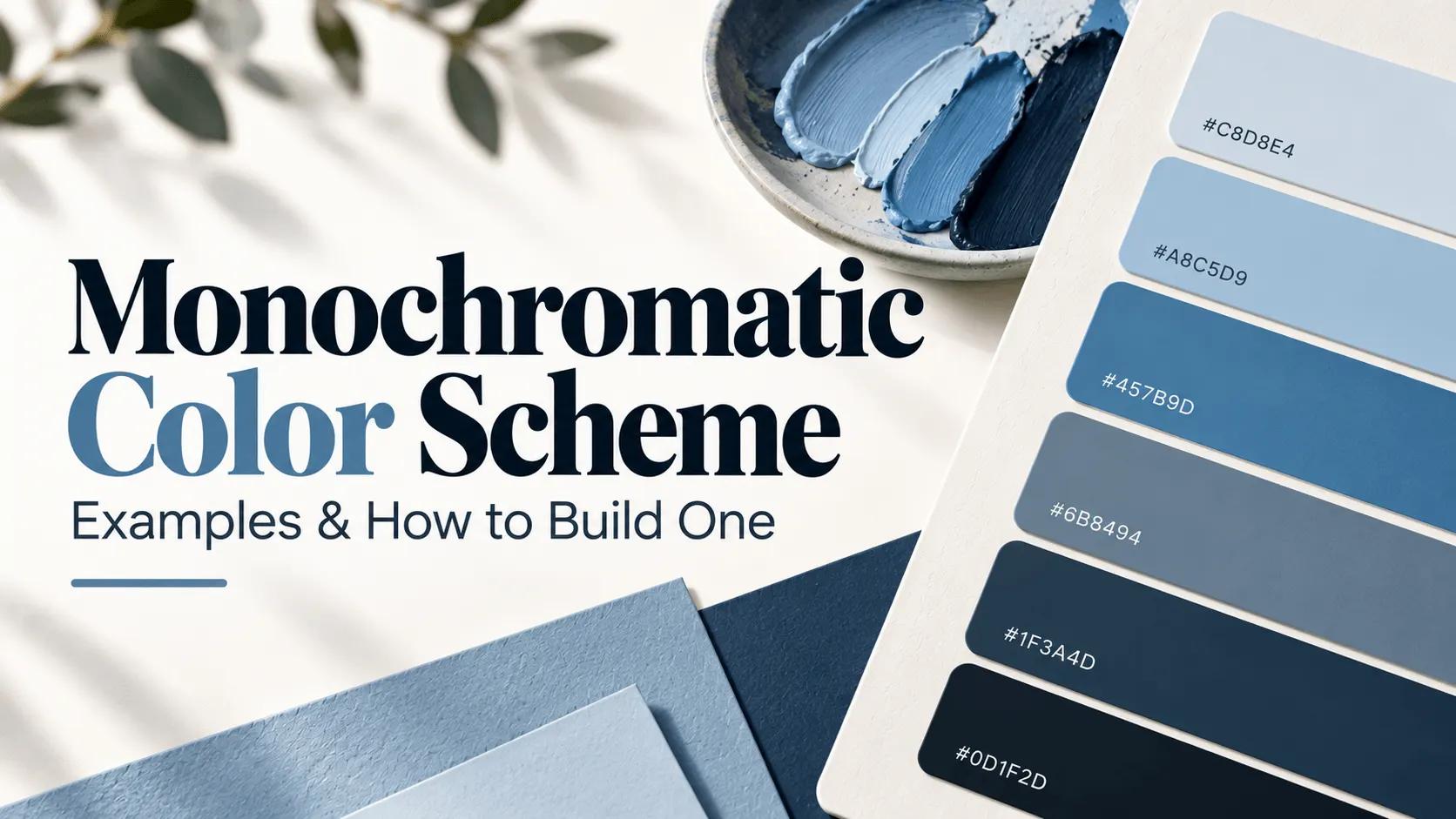
Monochromatic Color Scheme: Examples & How to Build One
Learn what a monochromatic color scheme is, how tints, shades, and tones work, and how to build a cohesive palette with practical examples.
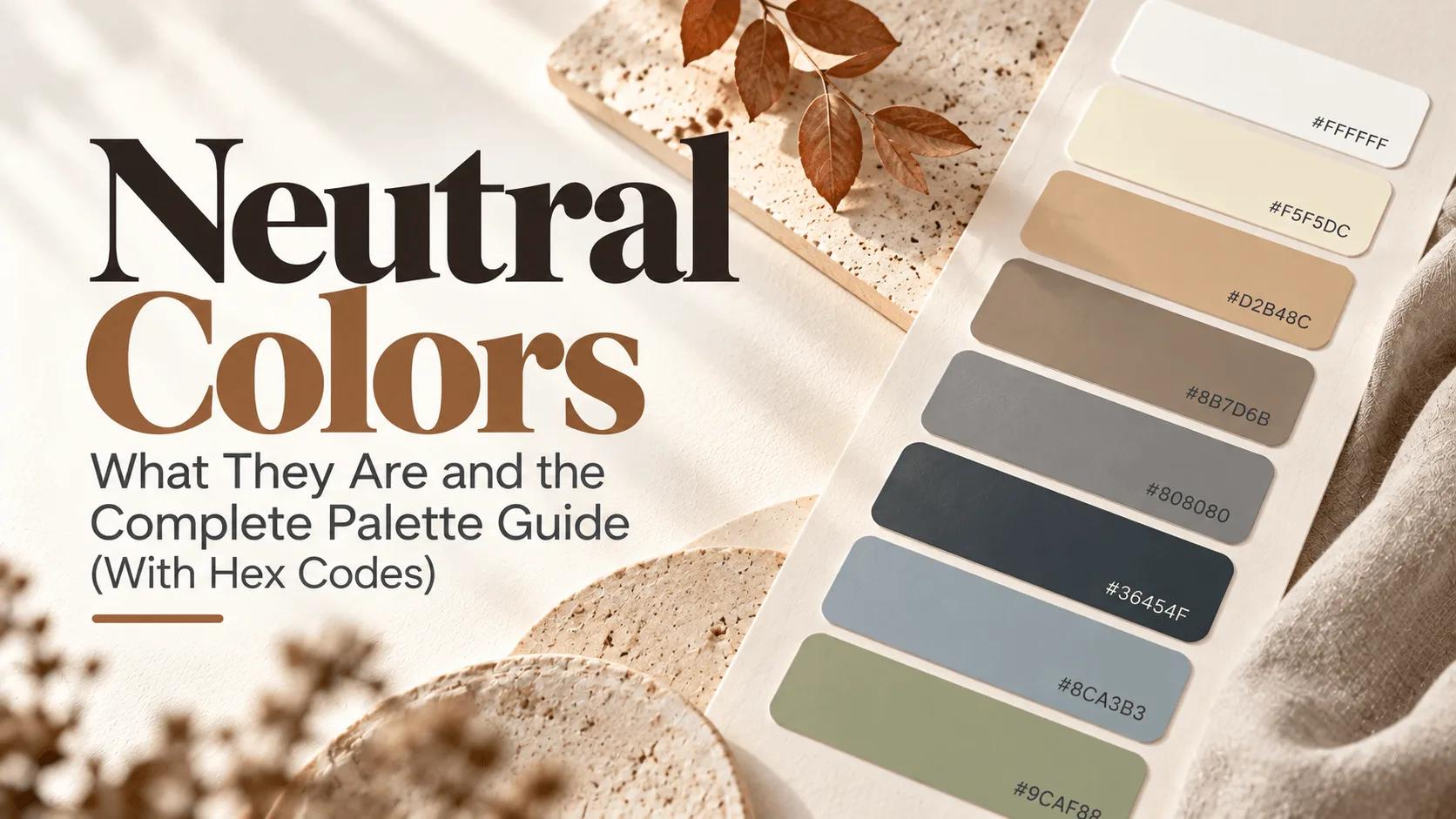
Neutral Colors: What They Are and the Complete Palette Guide
Neutral colors explained — the classic black, white, gray, and brown, plus "secret" neutrals like dusty blue and sage green. Full palette with hex codes.